Feeding therapy
Feeding therapy for picky and selective eaters
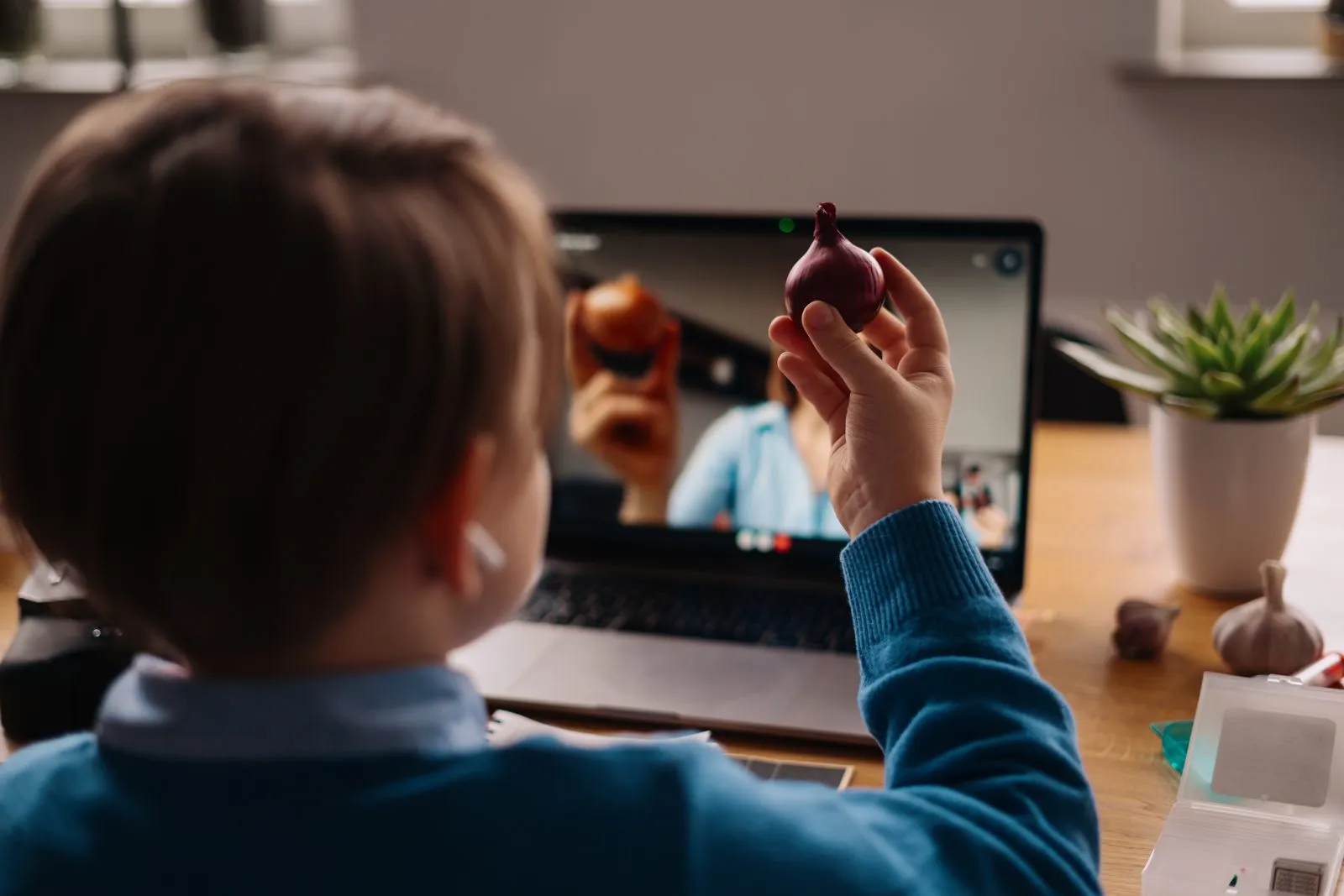
Feeding therapy can help kids from 6 months to 17 years old who are picky or selective eaters, gag on certain textures or fight at every meal. Your therapist can join you by video during a meal or snack at home and walk you and your child through strategies for trying new foods.
- 6 months to 17
- 30-minute sessions by video
- Parent coaching in every session
- Anywhere in Texas
Good to know
The short version
- Online feeding therapy works well for picky eating and texture problems when a child swallows safely.
- If your child is coughing, choking, having difficulty with breathing, or has poor weight gain, we may recommend speaking with your doctor first.
- For feeding therapy, progress often comes in small steps and requires continuing to work on skills at home.
Who it helps
Is this right for my child?
- Kids who eat a very small number of foods and refuse new ones
- Kids who gag, spit out or get upset with certain textures
- Babies and toddlers who have trouble moving from purees to solid foods
- Kids who have trouble chewing, or who keep food in their cheeks
- Families where mealtimes are stressful for everyone
Signs to watch for
What signs should parents watch for?
-
Age or situation: Babies and toddlers
- Has trouble moving from bottle or breast to purees, or from purees to soft solids
- Gags often or gets upset with new textures
-
Age or situation: Kids
- Eats a very small number of foods, and the list is getting shorter
- Refuses whole food groups, like all fruits or all vegetables
- Needs a certain brand, shape or setting to eat
-
Age or situation: See a doctor first
- Coughs, chokes or has a wet or gurgly voice during or after eating or drinking
- Has trouble breathing while eating, or has had pneumonia
- Is losing weight, not gaining weight, or has fewer wet diapers
Seeing one of these doesn't mean something is wrong. It just means it's worth a closer look.
Online sessions
What therapy looks like
-
What happens in a session?
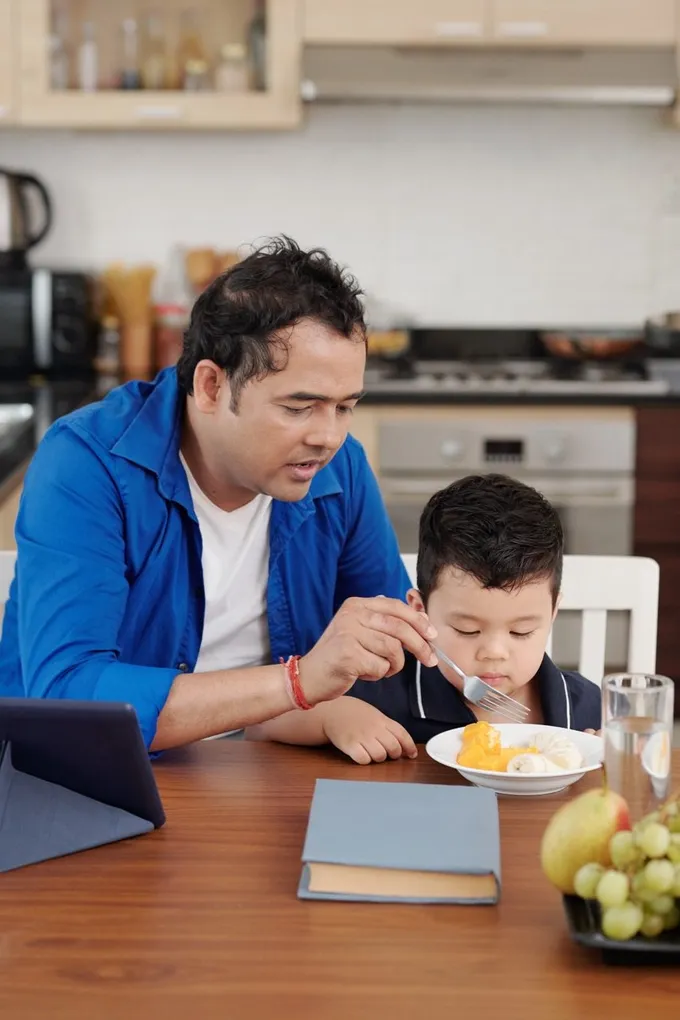
Sessions usually happen at a meal or snack, at your own table with your own food. Your therapist watches how your child eats and shows you what to try, like small steps toward a new food, a change to seating, or ways to make the meal calmer.
Seeing your child eat at home shows things a clinic can't: the real food, the real routine and how meals really go. Set the camera off to the side so your therapist can see your child's face, mouth and posture.
-
What will I do?
You lead feeding therapy at home. In each session your therapist helps you in the moment and gives you a plan for the week, like one new food to explore with no pressure.
Progress comes in small steps, like touching, smelling or licking a new food before eating it. Your therapist will provide you with the strategies and steps to build on your child's progress at home.
-
How is progress tracked?
At the evaluation, we learn your child's feeding history, which foods they eat now and how meals go. We set goals with you, like adding new foods or textures, or making meals calmer, and track them in sessions and from your notes at home. Every child warms up to new foods at their own pace.
Learn more
What can online feeding therapy do well, and what can it not do?
Telehealth is a good fit for many feeding concerns, but not all of them. Swallowing safety needs to be checked in person, and some children need a team that includes a doctor, a dietitian or an occupational therapist.
Online feeding therapy works well for
- Picky or selective eating and a small list of accepted foods
- Gagging on or refusing new textures
- Moving from purees to solid foods
- Stressful mealtimes and routines
- Helping parents during real meals
Needs in-person care
- Coughing, choking or a wet voice when eating or drinking
- Concerns about food or liquid going into the airway
- Instrumental swallow studies, such as a videofluoroscopic swallow study
- Poor weight gain or other medical concerns, alongside the child’s doctor
- Hands-on oral motor assessment when the therapist needs to feel how the mouth moves
If something at the evaluation or in a session suggests your child may need an in-person evaluation or sessions, we will let you know and help you find a new provider.
Should we see a doctor before feeding therapy?
If your child has any of the warning signs above, such as coughing or choking, trouble breathing while eating, or poor weight gain, talk to your child’s doctor first. For picky or selective eating without those signs, you can book an evaluation with us directly. It’s still a good idea to tell your child’s doctor about your concerns.
Pricing
Simple, clear pricing
One price list for everyone, and you pay per visit. We don't bill insurance, but we can provide you with a superbill for you to send to your insurance company for out-of-network coverage. We do accept HSA and FSA cards.
See pricing-
Evaluation
$175
60 minutes
-
Therapy session
$75
30 minutes
-
Consultation call
Free
15 minutes
Related services
You might also be looking for
-
Early language skills
For babies and toddlers who are not yet talking or have only a few words, or who need support with understanding language and communicating their basic wants and needs.
-
Articulation (speech sounds)
For kids who have difficulty pronouncing certain words and sounds or who are difficult to understand when they speak.
Questions
Questions parents ask
Still wondering about something? A free 15-minute call is a good place to ask.
Is my child just a picky eater?
Lots of young kids go through picky phases. It may be more than that if your child eats very few foods, the list is shrinking, they gag or get very upset with new foods, or meals are a daily struggle. An evaluation can help you sort it out.
Can feeding therapy really work over video?
For many kids with picky or selective eating or texture problems, yes. We see your child eat at home with real food, and help you in the moment. Some problems, especially swallowing safety, need to be checked in person.
When does my child need an in-person feeding evaluation?
If your child coughs or chokes when eating or drinking, has a wet voice after swallowing, has trouble breathing while eating, has had pneumonia, or isn't gaining weight, talk to your child's doctor first. An in-person or instrumental swallow evaluation may be needed.
Do you work with kids who use a feeding tube?
Kids who use a feeding tube need a medical team, and most need in-person care. Ask us on the free call, and we'll help you decide whether online sessions could support that care.
Will you force my child to eat?
Never. No force, no pressure. We help kids get comfortable with new foods one small step at a time, and help you keep meals calm.
What should I have ready for a feeding session?
A meal or snack with one or two foods your child eats and one they're learning about, your usual utensils and cups, and a camera off to the side so we can see your child's face and posture.
Ready when you are
Most families start with a 60-minute evaluation. If you'd rather talk first, book a free 15-minute call and ask us anything.

Reviewed by Whitney Silverthorn, M.S., CCC-SLP, speech-language pathologist at Talking Jay.
Sources: Pediatric Feeding and Swallowing (Practice Portal), American Speech-Language-Hearing Association; Telepractice (Practice Portal), American Speech-Language-Hearing Association